What is better, alloy or aluminium wheels?
When choosing new wheels for your vehicle, one common question arises: what is better, alloy or aluminium wheels? At first glance, the terms can seem interchangeable, but there are important distinctions worth understanding. Your decision will affect performance, durability, aesthetics, and even fuel efficiency, so it pays to get it right.
In this guide, we explore the key differences, advantages, and practical considerations. We also highlight how high-quality manufacturers like Wolfrace design wheels to deliver both performance and style.
What are alloy wheels?
Alloy wheels are made from a mixture of metals, typically aluminium combined with elements such as magnesium or nickel. This blend creates a stronger and lighter material compared to traditional steel wheels.
Because manufacturers can mould alloys more easily, they offer more intricate and stylish designs. This is one reason why alloy wheels are so popular across cars, vans, and SUVs.
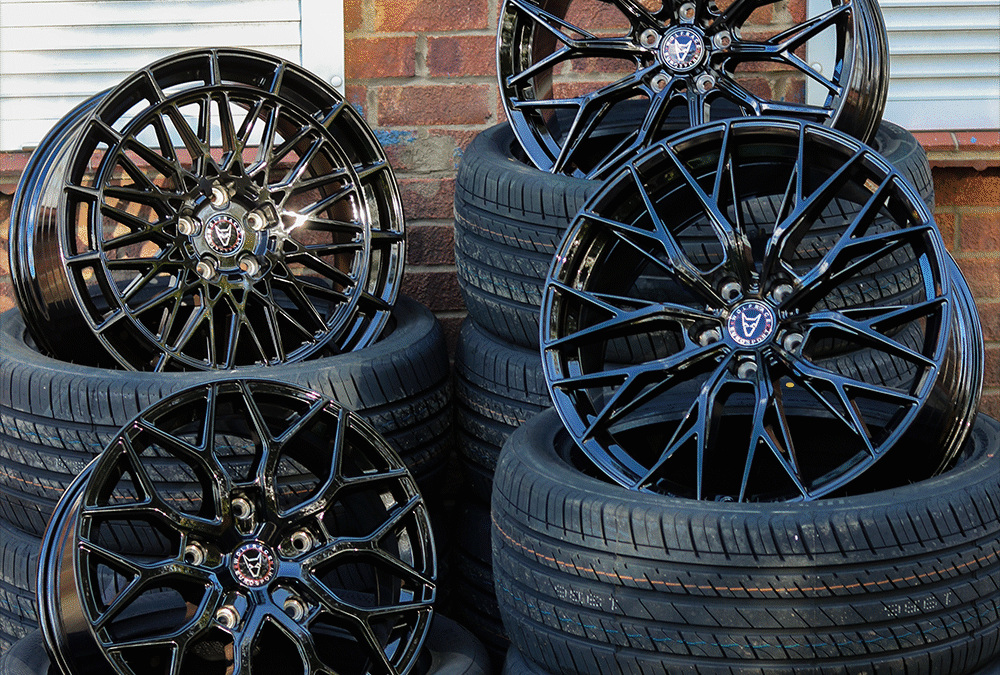
At Wolfrace, alloy wheels are engineered to balance performance, strength, and aesthetics. Their designs are developed with over 50 years of experience in wheel engineering, ensuring both durability and visual appeal.
What are aluminium wheels?
Technically, aluminium wheels are a type of alloy wheel. Most modern “alloy wheels” are primarily made from aluminium alloys. So, when people refer to aluminium wheels, they usually mean wheels that have a high aluminium content.
However, pure aluminium on its own would not be strong enough for demanding road use. Therefore, manufacturers combine it with other metals to improve strength and resistance.
This means the debate between alloy vs aluminium wheels is often misunderstood. In reality, aluminium wheels are simply a category within alloy wheels.
Alloy vs aluminium wheels: key differences
Although the terms overlap, there are still some useful comparisons to consider.
Strength and durability
Alloy wheels, especially those made with advanced aluminium blends, provide excellent strength while remaining lightweight. Because of this, they perform well under everyday driving conditions and heavier loads.
Wolfrace, for example, produces wheels with high load ratings for SUVs and commercial vehicles, ensuring they can handle demanding use without compromising performance.
On the other hand, lower-quality aluminium wheels may lack reinforcement if they are not properly alloyed. So, build quality matters more than terminology.
Weight and performance
One of the biggest advantages of aluminium-based alloy wheels is their reduced weight. Lighter wheels decrease unsprung mass, which improves handling, acceleration, and braking response.
Because of this, drivers often notice sharper steering and better fuel efficiency.
Steel wheels, by contrast, are heavier, which can reduce responsiveness. Therefore, alloy wheels are generally the better option for performance-focused drivers.
Design and aesthetics
Alloy wheels offer far more design flexibility. Manufacturers can create sleek, modern styles or bold, aggressive looks to suit different vehicles.
Wolfrace, for instance, offers a wide range of customisable designs, including colour-coded inserts and finishes, allowing drivers to personalise their vehicles.
Because aluminium alloys are easier to shape, they enable more intricate and visually striking designs than steel alternatives.
Corrosion resistance
Aluminium alloys naturally resist corrosion better than steel. This makes them ideal for the UK climate, where rain and road salt can quickly affect untreated materials.
However, proper coatings and finishes still play a crucial role. High-quality wheels often include protective layers to extend lifespan and maintain appearance.
Cost considerations
Alloy wheels typically cost more than steel wheels. However, they offer better performance, improved aesthetics, and long-term durability.
Are alloy wheels always better?
In most cases, alloy wheels are the better choice. They provide improved handling, lighter weight, and enhanced appearance.
However, steel wheels may still suit certain situations. For example, they can be more resistant to severe impacts and are often cheaper to replace. This makes them useful for winter driving or heavy-duty applications.
That said, modern alloy wheels are increasingly engineered to handle tough conditions, including off-road and commercial use.
Why quality matters more than terminology
Rather than focusing solely on whether wheels are “alloy” or “aluminium”, it is more important to consider build quality, engineering, and fitment.
Wolfrace specialises in producing high-quality alloy wheels designed for a wide range of vehicles, including cars, SUVs, and vans. Their products are engineered for precise fitment, durability, and performance, ensuring drivers get the most from their upgrade.
If you choose a trusted manufacturer, you can be confident that your wheels will meet safety standards and deliver long-term reliability.
Explore the full range here.
Choosing the right wheels for your vehicle
When selecting wheels, you should consider several factors:
-
Driving style – Performance driving benefits from lightweight alloys
-
Vehicle type – SUVs and vans may require higher load ratings
-
Weather conditions – Corrosion resistance is essential in the UK
-
Aesthetic preference – Choose a design that complements your vehicle
You should also ensure correct fitment. Using a fitment guide or consulting experts will help you avoid costly mistakes.
For a deeper technical explanation of wheel materials, you can refer to this external resource.
Final verdict: alloy vs aluminium wheels
So, what is better, alloy or aluminium wheels?
The truth is that aluminium wheels are simply a type of alloy wheel. Therefore, the comparison is not entirely accurate. Instead, you should focus on the quality of the alloy and the engineering behind the wheel.
In general, high-quality alloy wheels made from aluminium blends offer the best combination of performance, durability, and style. They are lighter, more responsive, and visually appealing compared to traditional alternatives.
When sourced from an experienced manufacturer like Wolfrace, alloy wheels provide a reliable upgrade that enhances both driving experience and vehicle appearance.
Get in touch
If you are considering upgrading your wheels, expert advice can make all the difference. Whether you need help with fitment, design choices, or performance requirements, the Wolfrace team is ready to assist.
Get in touch here.