
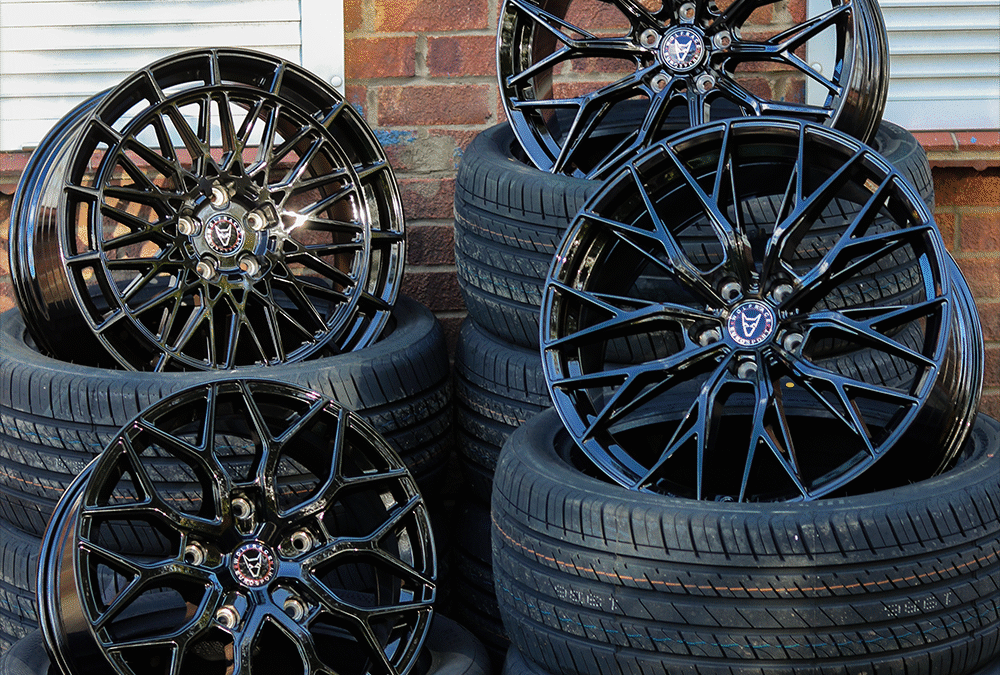
What’s the difference between rims and alloys?
If you’re researching new wheels, you’ve probably come across the terms “rims” and “alloys” used interchangeably. However, this can create confusion, especially if you’re trying to make the right choice for your vehicle. So, what’s the difference between rims and alloys, and does it actually matter?
In this guide, we break down the key differences, clear up common misconceptions, and help you understand which option is right for your needs. We also explore how manufacturers like us design high-quality alloy wheels that combine performance with style.
What are rims?
The term “rim” technically refers to just one part of a wheel. It is the outer edge that holds the tyre in place on the wheel.
However, in everyday language, many people use “rims” to describe the entire wheel, especially in automotive culture. Because of this, the term has become more of a slang or informal expression rather than a precise technical definition.
So, when someone says they are buying “new rims”, they usually mean complete wheels, not just the outer edge.
What are alloy wheels?
Alloy wheels, often shortened to “alloys”, are wheels made from a blend of metals. Typically, they consist of aluminium combined with other elements such as magnesium to improve strength and durability.
Because alloy wheels are lighter and stronger than traditional steel wheels, they offer several performance benefits. They also allow for more intricate and stylish designs.
At Wolfrace, alloy wheels are engineered with both performance and aesthetics in mind. With decades of experience, we produce wheels for cars, SUVs, and vans that meet high standards of quality and fitment. Learn more about our range here.
Rims vs alloys: understanding the key difference
The key difference between rims and alloys lies in what the terms actually describe.
-
Rims refer to a part of the wheel (or informally, the whole wheel)
-
Alloys refer to the material used to make the wheel
Because of this, comparing rims vs alloys is not entirely accurate. It is like comparing a component to a material rather than two equivalent products.
However, the phrase is still widely used in search queries, so it is important to understand what people usually mean. In most cases, they are asking whether alloy wheels are better than standard wheels, or whether upgrading their “rims” to alloys is worthwhile.
Why alloy wheels are so popular
Alloy wheels have become the preferred choice for many drivers, and there are several reasons why.
Improved performance
Alloy wheels are significantly lighter than steel wheels. Because of this, they reduce the overall weight of the vehicle, which improves handling, acceleration, and braking.
As a result, drivers often experience a smoother and more responsive ride.
Enhanced aesthetics
Alloy wheels offer far greater design flexibility. Manufacturers can create bold, modern, or sporty styles that enhance the overall look of a vehicle.
Wolfrace is known for producing visually striking designs, including custom finishes and detailed styling. Because of this, drivers can personalise their vehicles more easily.
Better heat dissipation
Alloy wheels conduct heat more effectively than steel wheels. This helps to dissipate heat from the brakes, which can improve braking performance and reduce wear over time.
So, alloy wheels are not just about looks—they also contribute to safer and more efficient driving.
Corrosion resistance
Unlike steel, aluminium alloys resist corrosion more effectively. This makes them ideal for UK driving conditions, where rain and road salt can take a toll on vehicle components.
However, quality coatings still matter, so choosing a reputable manufacturer is essential.
Are “rims” ever different from alloys?
In technical terms, rims are not a separate type of wheel from alloys. Instead, they are simply one part of any wheel, regardless of the material.
That said, in some contexts, “rims” may refer to aftermarket wheels designed for style rather than performance. Even then, most of these are still alloy wheels.
So, while the terminology may differ, the underlying product is often the same.
Steel wheels vs alloy wheels
To better understand the rims vs alloys discussion, it helps to compare alloy wheels with their main alternative: steel wheels.
Steel wheels are typically heavier and less visually appealing, but they are often cheaper and more resistant to extreme impacts. Because of this, they are sometimes used for winter driving or commercial applications.
Alloy wheels, on the other hand, provide a better balance of performance, efficiency, and style. This is why they are widely used across modern vehicles.
For a more detailed technical overview of wheel construction, you can refer to this external resource.
Why quality matters when choosing alloys
Not all alloy wheels are created equal, so quality should always be a top priority. Factors such as manufacturing processes, load ratings, and finish quality all play a role in performance and durability.
Wolfrace specialises in producing high-quality alloy wheels that are designed to meet strict standards. Their products cater to a wide range of vehicles, including passenger cars and commercial vans, ensuring reliable performance across different driving conditions.
Because of this focus on engineering and design, choosing a trusted brand can make a significant difference in both safety and longevity.
Choosing the right wheels for your vehicle
When deciding between rims and alloys, you should focus on what your vehicle actually needs.
Consider the following factors:
-
Driving habits – Performance driving benefits from lightweight alloys
-
Vehicle type – Heavier vehicles require higher load-rated wheels
-
Weather conditions – Corrosion resistance is essential in the UK
-
Style preferences – Alloy wheels offer more customisation options
You should also ensure proper fitment. Choosing the correct size and specification will help maintain safety and performance.
Final thoughts: rims vs alloys explained
So, what’s the difference between rims and alloys?
In simple terms, rims are part of a wheel, while alloys describe the material used to make the wheel. Therefore, the comparison is not entirely like-for-like.
However, because the term “rims” is often used to mean wheels, many people are really asking whether alloy wheels are worth it. In most cases, the answer is yes. Alloy wheels offer better performance, improved efficiency, and more attractive designs.
When you choose high-quality alloys from a trusted manufacturer like Wolfrace, you gain both reliability and style. This makes them a worthwhile upgrade for most drivers.
Get in touch
If you’re considering upgrading your wheels or want expert advice, we’re here to help. Whether you need guidance on fitment, styling, or performance, they can point you in the right direction.