Does fitting alloy wheels affect insurance?
Fitting alloy wheels is one of the most popular car modifications in the UK, and it’s easy to see why. They enhance your vehicle’s appearance, improve handling, and can even reduce weight compared to standard steel wheels. However, many drivers ask the same question: Does fitting alloy wheels affect insurance?
The short answer is yes—but not always in a negative way. Insurance providers assess modifications based on risk, and alloy wheels fall into that category. So, understanding how and why they affect your policy is essential before you upgrade.
What counts as a modification?
In insurance terms, a modification is any change made to your vehicle that differs from the manufacturer’s original specification. That includes performance upgrades, cosmetic changes, and even factory options added after purchase.
Alloy wheels typically qualify as a modification if they are not part of the original build. Even if you choose like-for-like replacements, insurers may still want to know because they affect the car’s value and repair costs.
Because of this, you should always inform your insurer before fitting new alloys. If you don’t, your policy could become invalid.
Why alloy wheels can affect insurance premiums
Insurance companies calculate premiums based on risk. Alloy wheels can influence that risk in several ways.
Firstly, they often increase the value of your vehicle. High-quality alloys, especially premium designs, cost more to replace than standard wheels. So, insurers may raise your premium to reflect that added value.
Secondly, alloy wheels can make your car more attractive to thieves. Stylish designs often stand out, and therefore increase the likelihood of theft or vandalism.
However, the impact isn’t always negative. In some cases, insurers may see alloy wheels as a neutral or even positive modification—particularly if they improve handling or safety.
Do all alloy wheels increase insurance?
Not necessarily. The effect on your insurance depends on several factors, including the type of wheels, their value, and how they alter your vehicle.
For example, manufacturer-approved alloy wheels or those fitted as optional extras may have little to no impact. On the other hand, larger or high-performance alloys could increase your premium.
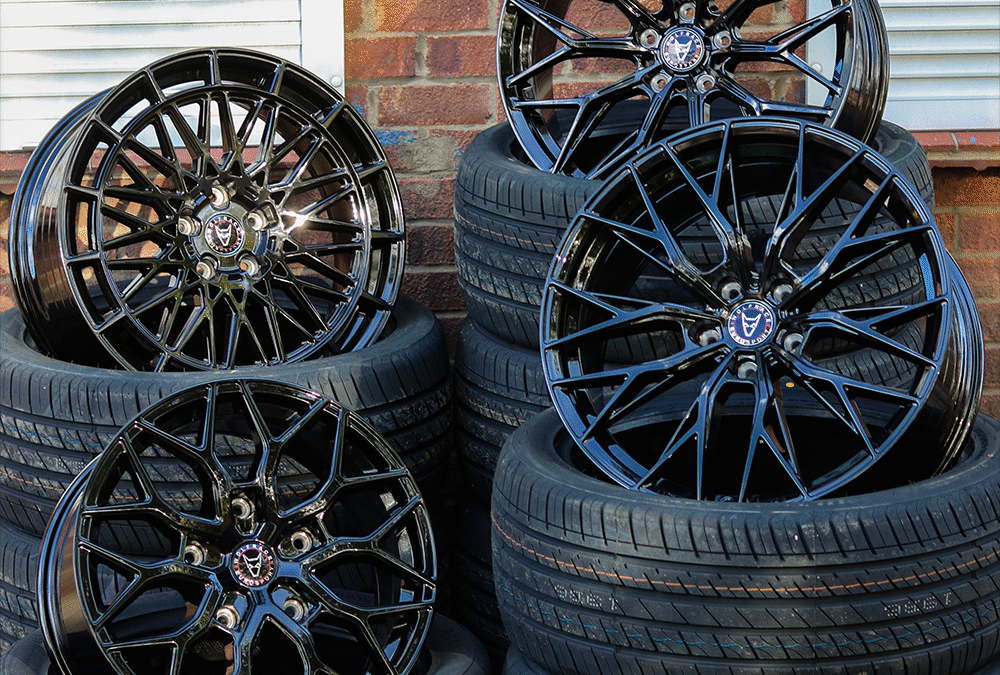
Quality also plays a role. Reputable brands design wheels to meet strict safety and durability standards. For instance, Wolfrace alloy wheels are engineered for strength, precise fitment, and long-term reliability, which can reassure insurers.
So, while cheaper or poorly fitted alloys may raise concerns, professionally designed and correctly fitted wheels are less likely to cause issues.
How insurers assess alloy wheel modifications
Insurers typically consider three key areas when evaluating alloy wheels:
1. Value
Expensive wheels increase the cost of repairs or replacements, so premiums may rise accordingly.
2. Performance impact
Larger or lighter alloys can improve handling and responsiveness. Because alloy wheels reduce unsprung mass, they may enhance steering and acceleration.
However, extreme changes can alter the car’s dynamics, which insurers may view as higher risk.
3. Security risk
Unique or high-end alloys can make your car more desirable to thieves. Therefore, insurers may factor in theft risk when pricing your policy.
Because of these variables, two drivers with similar cars could see very different outcomes.
Will you need to declare alloy wheels?
Yes—you should always declare alloy wheels to your insurer.
Even if the change seems minor, failing to disclose modifications can invalidate your insurance. That means your insurer could refuse to pay out in the event of a claim.
So, it’s always better to be transparent. Most insurers simply note the modification, and in many cases, the premium increase is minimal.
Can alloy wheels ever lower insurance?
In rare cases, alloy wheels may help reduce insurance costs, but this depends on context.
For example, if you replace damaged or low-quality wheels with certified, high-quality alternatives, insurers may view the vehicle as safer. Wheels that meet recognised standards and are fitted correctly can improve road performance and stability.
Established UK brands such as Wolfrace have over 50 years of experience in alloy wheel design and engineering, offering products built for durability, fitment accuracy, and performance.
This level of quality can provide reassurance to insurers, although it doesn’t guarantee a lower premium.
Tips to minimise insurance impact
If you’re planning to upgrade your wheels, there are several ways to keep insurance costs under control.
Choose the right size
Stick close to the manufacturer’s recommended specifications. Oversized wheels may look great, but they can increase risk in the eyes of insurers.
Buy from trusted brands
High-quality wheels designed for your specific vehicle are less likely to raise concerns.
Use professional fitting services
Proper installation ensures safety and performance, which can help maintain insurer confidence.
Compare insurance quotes
Different insurers assess modifications differently, so it’s worth shopping around.
Improve security
Locking wheel nuts and secure parking can reduce theft risk and potentially offset premium increases.
Explore our alloy wheel range
Discover our full collection here.
In summary, fitting alloy wheels can affect your insurance, but the impact depends on several factors. If you choose high-quality wheels, declare them properly, and ensure correct installation, you can enjoy the benefits of alloy wheels without significant drawbacks.
Get in touch
If you’re considering upgrading your wheels and want expert advice, our team is here to help.
At Wolfrace, we specialise in designing and supplying high-quality alloy wheels for cars, vans, SUVs, and 4x4s. With decades of experience and a strong reputation in the UK aftermarket industry, we help drivers find the perfect fit for both style and performance.
Whether you need guidance on fitment, design options, or choosing the right wheels for your vehicle, we’re ready to assist.