Do they check alloys on MOT?
If you’re preparing for your MOT, it’s natural to wonder whether your alloy wheels are part of the inspection. The short answer is yes—but not in the way many drivers assume. MOT testers don’t assess alloys for style or brand, yet they do check their condition, safety, and structural integrity. So, if your alloys are damaged, they could cause a failure.
In this guide, we’ll explain exactly what happens during an MOT, how alloy wheels are assessed, and what you can do to stay road legal.
What is checked on wheels during an MOT?
During an MOT, the tester examines wheels as part of the broader wheels, tyres, and suspension category. This includes both steel and alloy wheels.
The inspection focuses on safety-critical issues. For example, testers look for:
- Cracks or fractures
- Distortion or buckling
- Excessive corrosion
- Loose or missing fixings
According to official guidance, a wheel that is damaged or distorted to the point it affects control can result in a major or even dangerous defect. Because of this, alloys are absolutely checked—but only in terms of roadworthiness.
Do alloy wheels fail an MOT?
Yes, alloy wheels can fail an MOT—but only if the damage is serious enough.
For instance, your car may fail if:
- The alloy is cracked or fractured
- The wheel is significantly buckled
- There is a poor-quality repair (such as unsafe welding)
- The damage affects how the tyre sits or seals
In fact, any issue that compromises the structure of the wheel is likely to be classed as dangerous. On the other hand, light cosmetic damage won’t usually cause a failure.
Do cosmetic alloy issues matter?
This is where many drivers get confused. Scratches, scuffs, and minor kerb damage might look unsightly, but they rarely affect your MOT result.
Because MOT testers focus on safety, they typically ignore:
- Light surface scratches
- Paint imperfections
- Minor kerb rash
However, it’s still wise to address cosmetic issues. While they may not fail the test today, they could worsen over time and lead to structural problems later.
Are aftermarket alloys checked?
Yes—aftermarket alloy wheels are treated the same as standard ones.
It doesn’t matter whether you’ve upgraded your wheels for performance or aesthetics. The tester will still check that:
- The wheels are correctly fitted
- They are suitable for the vehicle
- They don’t interfere with tyres or suspension
As long as your alloys are safe, road legal, and properly installed, they should pass without issue.
If you’re running specialist wheels (such as carbon fibre or performance alloys), they must meet proper approval standards and be suitable for road use.
Common alloy-related MOT failures
Although alloy failures aren’t the most common reason for MOT issues, they do happen—especially on UK roads where potholes are a frequent problem.
Typical causes of failure include:
- Buckled alloys from pothole impact
- Cracks or splits in the rim
- Severe corrosion weakening the structure
- Loose wheel bolts or fixings
Because these faults can affect steering, braking, and tyre stability, they are taken seriously during the test.
How to check your alloys before an MOT
Preparing your vehicle in advance can save you time, money, and stress. So, it’s worth giving your alloys a quick inspection before your MOT.
Here’s what to look for:
- Visible cracks or splits in the wheel
- Flat spots or wobbling (a sign of buckling)
- Corrosion around the rim or centre
- Tyres not sitting evenly on the wheel
If you notice any of these issues, it’s best to get them checked or repaired before your test.
Why alloy condition matters for safety
Alloy wheels do more than improve your car’s appearance. They play a crucial role in maintaining:
- Proper tyre contact with the road
- Stable handling and steering
- Even weight distribution
So, when an alloy is damaged, it can affect your car’s overall safety. That’s why MOT testers take wheel condition seriously—even if they don’t assess aesthetics.
Choosing high-quality alloys
If you’re thinking about upgrading or replacing your wheels, quality matters. Well-designed alloys are more durable, better balanced, and less likely to suffer damage that could lead to an MOT failure.
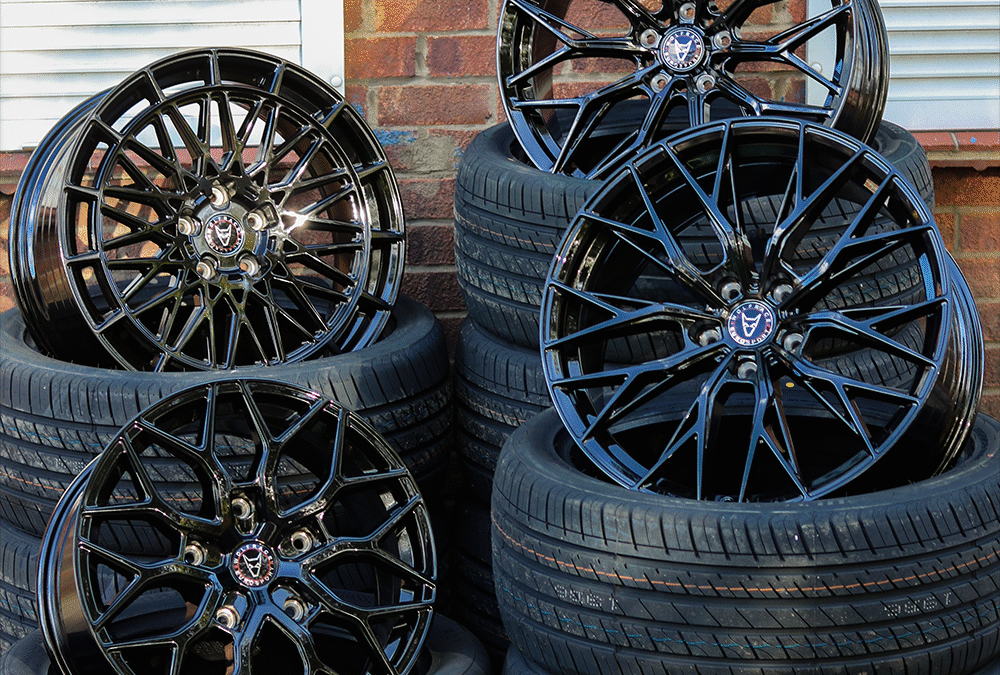
Brands like Wolfrace offer a wide range of alloy wheels designed for both performance and durability. Whether you’re after a subtle OEM-style upgrade or a bold custom look, investing in reliable alloys can help you avoid future issues.
You can explore our range here.
Explore alloy wheel options
If you’re considering new wheels before your next MOT, take a look here.
This gives you a better idea of what’s available and how high-quality alloys can improve both performance and reliability.
Official MOT guidance
For full details on MOT requirements, visit this website.
Get in touch
If you’re unsure about the condition of your alloy wheels, it’s always better to get expert advice before your MOT. A professional inspection can identify issues early and help you avoid unnecessary failures.
Whether you need guidance on repairs or you’re looking to upgrade your alloys, speaking to specialists ensures your vehicle stays safe and roadworthy.