How to Clean Alloy Wheels Properly
Alloy wheels can transform the look of any vehicle, but they also attract brake dust, road salt, and grime faster than most other parts of your car. So, if you want them to stay in top condition, you need to clean them correctly and consistently. Done properly, the process not only improves appearance but also protects the finish and extends the life of your wheels.
At Wolfrace, performance and design go hand in hand, which is why proper aftercare matters just as much as choosing the right wheels in the first place.
Why cleaning your alloy wheels matters
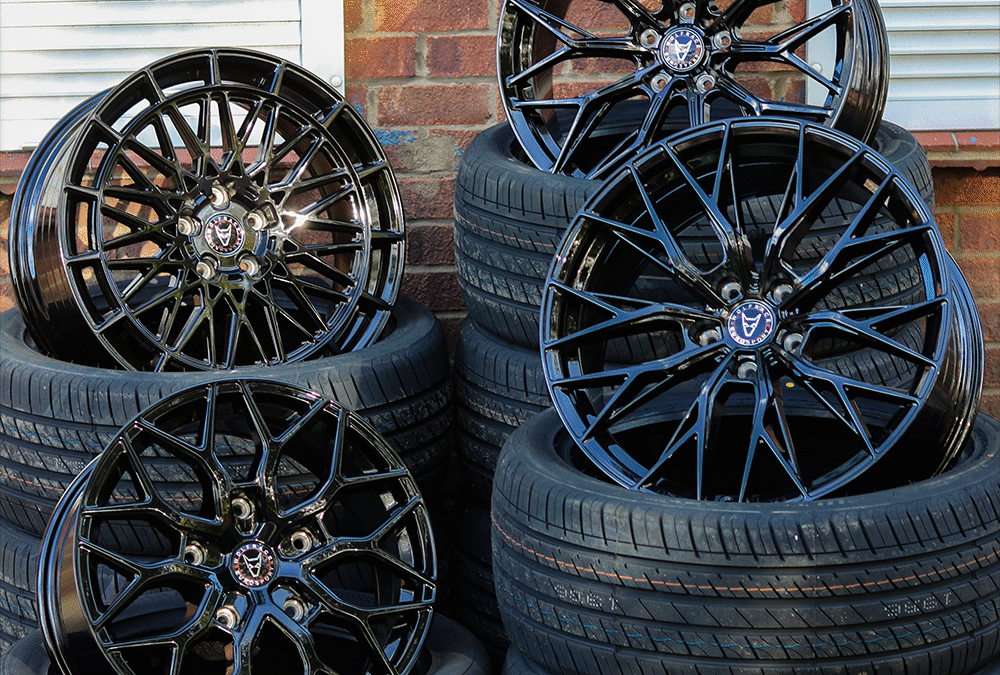
Alloy wheels sit closest to the road, so they face harsh conditions daily. Brake dust, tar, and salt build up quickly, and over time they can damage the protective coating.
If you leave contaminants on the surface, they may stain or even corrode the finish. Therefore, regular cleaning helps maintain both performance and appearance. It also makes future cleaning easier because dirt has less chance to bond to the surface.
What you’ll need before you start
Before you begin, gather the right tools. Using the correct equipment makes the process safer and more effective.
- pH-neutral alloy wheel cleaner
- Soft wheel brush or microfibre mitt
- Bucket with car shampoo
- Hose or pressure washer
- Drying towel or cloth
It’s important to avoid harsh or acidic cleaners, as they can damage lacquer and finishes.
Step-by-step guide to cleaning alloy wheels
1. Make sure the wheels are cool
First, check that your wheels are completely cool before cleaning. If they’re hot, cleaning products may dry too quickly and leave marks.
So, if you’ve just driven the car, give it time to cool down before starting.
2. Pre-rinse to remove loose dirt
Next, rinse the wheels thoroughly with water. This step removes loose debris and reduces the risk of scratching during contact cleaning.
A pressure washer works well, but a standard hose will do the job too. Pre-rinsing can remove a significant amount of grime before you even touch the wheel.
3. Apply a dedicated wheel cleaner
Now apply a specialist alloy wheel cleaner. This is essential because standard car shampoo won’t break down stubborn brake dust effectively.
Spray the cleaner evenly across the wheel, focusing on heavily soiled areas. Then allow it to dwell for a few minutes, following the product instructions.
4. Agitate gently with the right tools
After the cleaner has had time to work, use a soft brush or mitt to agitate the surface.
Be thorough but gentle. Pay attention to tight spaces between spokes where dirt often builds up. At the same time, avoid abrasive tools such as steel wool, as they can scratch the finish.
5. Rinse thoroughly
Once you’ve loosened the grime, rinse the wheel thoroughly with clean water.
Make sure you remove all cleaning residue because leftover product can affect the finish over time. A strong rinse also helps flush dirt from hard-to-reach areas.
6. Repeat if necessary
If your wheels are particularly dirty, repeat the process.
Sometimes, one clean isn’t enough to remove built-up contamination, especially if the wheels haven’t been maintained regularly.
7. Dry the wheels properly
Finally, dry the wheels using a clean microfibre towel.
This step prevents water spots and gives a clean, polished look. It also prepares the surface if you want to apply a protective coating or sealant.
Common mistakes to avoid
Even though cleaning alloy wheels is straightforward, some common mistakes can cause damage.
- Using household cleaners like washing-up liquid
- Cleaning wheels while they’re still hot
- Scrubbing with abrasive brushes
- Skipping the rinse stage
For example, household products or acidic cleaners may strip protective coatings, which leads to premature wear.
How often should you clean alloy wheels?
You should clean your alloy wheels regularly, ideally every couple of weeks.
However, frequency depends on your driving conditions. If you drive on salted winter roads or in urban environments with heavy braking, you may need to clean them more often. Regular maintenance prevents build-up and makes each clean quicker and easier.
Protecting your alloy wheels after cleaning
Cleaning is only part of the process. Protection helps maintain results for longer.
After drying, you can apply a wheel sealant or wax. This creates a barrier against dirt and brake dust, so future cleaning becomes less intensive.
Consistent care not only keeps your wheels looking sharp but also preserves their finish over time.
Choosing quality alloy wheels
While maintenance is essential, the quality of your wheels also plays a role in how easy they are to care for.
At Wolfrace, the focus is on producing durable, stylish alloy wheels designed to withstand real-world conditions. If you’re considering upgrading your wheels, you can explore the full range here.
Investing in well-designed wheels means you’ll benefit from both performance and easier long-term maintenance.
If you’d like additional guidance on maintenance and detailing, see here for useful tips.
Get in touch
If you want advice on choosing, maintaining, or upgrading your alloy wheels, the team at Wolfrace is ready to help.
Whether you’re looking for a new set of wheels or simply want to keep your current ones in top condition, expert support can make all the difference.